
Content
A good evening is not a single event. It is a sequence of phases, each one shorter than the last, each one a softer version of the one before. Arrival, the table, the transition after the plates, and finally the slow wind-down. The phases only work if each one is given its own weight. Rush any of them and the whole evening shortens to dinner plus a yawn.
Before the First Course: Setting the Tone
An evening begins well before anyone sits down. Most of what decides whether a night feels layered or flat is set in the two hours before the first course arrives. Just as we explore in our guide on the rise of AI companions, the underlying “architecture” of an experience dictates how natural and immersive it feels.
The small decisions matter in ways people rarely notice. Reservation time shapes the entire arc, because a 7 p.m. booking and an 8:30 p.m. booking produce different evenings regardless of what gets ordered. Table choice affects how loud the room sounds at your seat. What you wear changes how long you want to stay. Who you bring decides whether the transition phase later will happen at all, or whether everyone will be checking a phone by nine.
Five pre-arrival cues that shape the night:
- Timing: Especially the gap between leaving the house and sitting down, which sets a relaxed or rushed tempo from the first minute.
- Music: In the car or on the walk over, which acts as a quiet overture and often carries into the room.
- How hungry you let yourself get: Because too hungry shortens the evening and too full kills the appetite for the food that matters.
- The company: Meaning the specific people rather than the number, chosen for whether they know how to let silences sit comfortably.
- An unplanned detour: A shop window or a pause for a photo, which tells the evening it is allowed to take its time.
At the Table: Food and Live Music Working Together
A well-run room has sound and plates synced up in ways the guests never consciously register. Service slows when a solo starts, plates land in the pauses between sets, and the conversation rises and falls in response. This sync is as much an art as it is a science, much like the meticulously curated dinner party atmospheres celebrated by experts in modern hosting.
Pauses between courses are where this sync actually shows itself. A rushed kitchen closes those pauses and the evening feels compressed. A confident one stretches them slightly, leaving space for a second glass, a half-finished story, a song that lands at the right moment. Live music changes the tempo of a dining table in a way no playlist quite replicates. For those looking for more interactive ways to spend a night, our look at virtual games in Romania offers another perspective on how rhythm affects play.
Between Dinner and What Comes Next
Between the last plate and the first thought of leaving sits a short window most people undervalue. It is the transition phase, and it is the one guests actually remember a week later.
Good hosts hold this window open. A carafe of water appears, coffee is offered, the music drops another notch. Nobody clears the table aggressively. Good guests hold it open too, by not reaching for a phone, not starting a scheduling conversation, not mentioning work. The whole point of the window is that it has nothing to do, which is rare enough in modern evenings to feel like a small gift.
The Late Phase: Quiet Play When the Room Has Settled
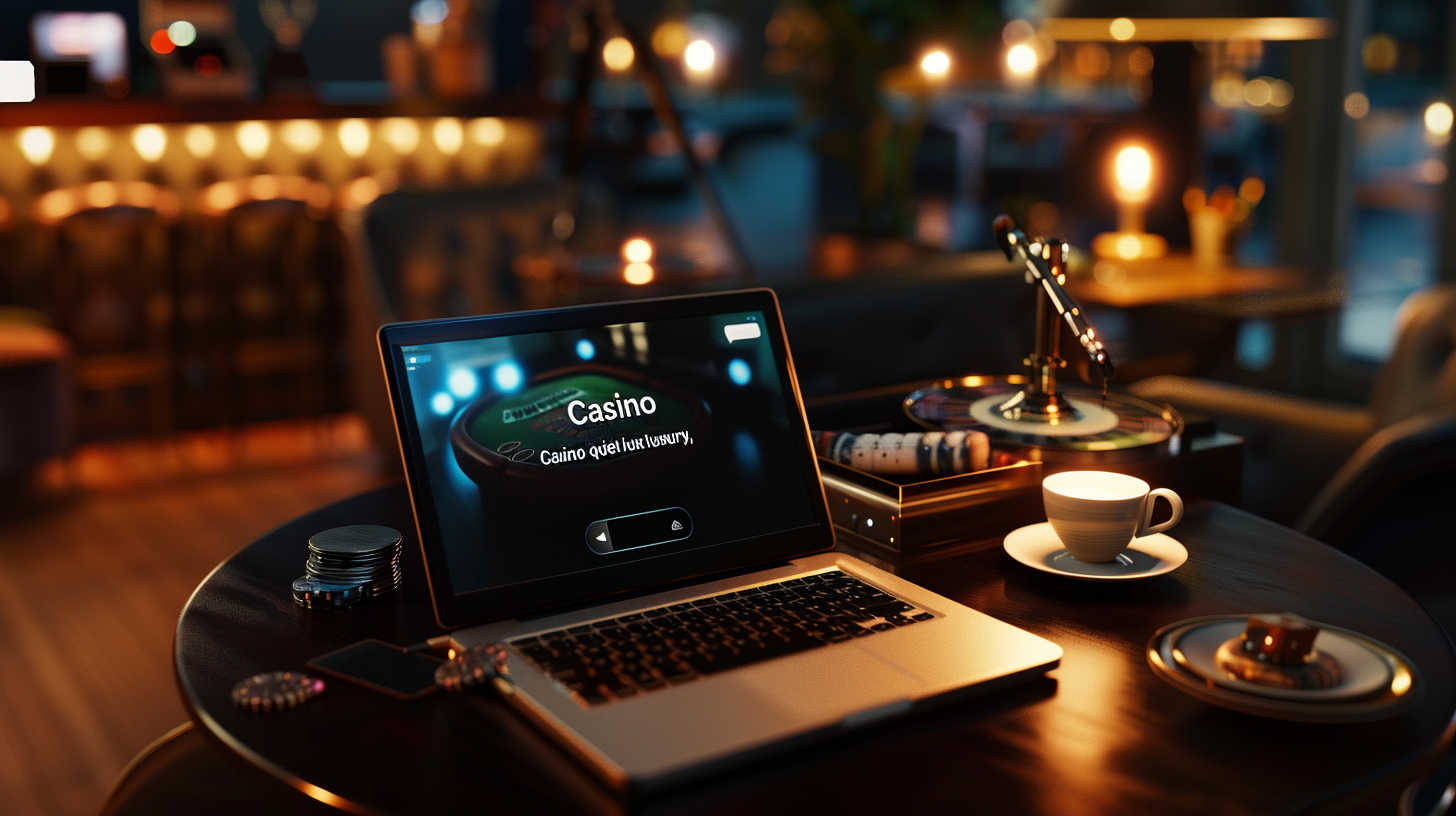
There is a clear moment when the evening shifts from out to in, whether you stay at the table or move home. When the band has quieted and the table is cleared, NVCasino gives you a slow, optional way to keep the evening going at your own pace, without pulling the volume back up or demanding anything more from a tired room.
A short session in this register tends to run twenty or thirty minutes and covers one slow-paced slot, one live table, or ten minutes of demo browsing. As noted by The Guardian’s Life & Style section, the “slow play” movement is gaining traction. You might also want to try your luck with traditional fun found across English-speaking countries as a gentle way to wrap up.
NVCasino also runs live dealer rooms where a human host handles the table in real time, which keeps a conversational quality in the room even when only one person is actually playing. It fits the register of the evening rather than breaking it.
The Morning After (What Stays With You)
What a well-layered evening leaves behind is never the specifics. It is a sensory afterimage, usually reduced to three or four small details a week later.
| Phase | What you notice in the moment | What you remember a week later |
|---|---|---|
| Arrival | The outfit, the weather, the drive in | The mood you were in walking through the door |
| Table | Each plate, the service, the bread | A single course, usually the middle one |
| Transition | The coffee, the pause, the quiet | The whole feel of the window, rarely the details |
| Late phase | The activity, the Casino session, the last drink | The pace of it, not the specifics |
| End | The bill, the walk home, the goodnight | The temperature of the room when you left |
The transition phase almost always wins the memory. It is the phase people undervalue when planning and overvalue when looking back, which is why the evenings that hold onto it are the ones that get repeated.
Turning Down the Lights
The morning after a layered evening is quiet in a specific way. Coffee on the counter, the jacket still smelling of the restaurant, one song from the night looping unbidden in your head for an hour. That is the whole return on the evening. Everything else is logistics.