
Content
There is a specific pace to a well-run evening at a table, and most people only notice it once it is gone. Service that never rushes, a soundtrack that never rises above the conversation, plates that arrive when the last ones are actually finished. The same pace, carried into the hours after the dishes are cleared, is what separates an evening that ends at ten from one that quietly ends at midnight without anyone checking the time. This piece is about that pace, where it comes from, and where it can keep going once the table is empty.
What an Unhurried Evening Actually Feels Like
Slow evenings do not happen by accident. Every good one is the product of decisions a host made hours before the first guest arrived, and decisions the guests themselves make without thinking about them. Just as Madame Janette info details the art of hospitality, candlelight is the obvious one here.
Overhead lights cut an evening off at the knees, and any room that wants to hold its guests past ten switches to lamps and candles well before dinner. Music sits one notch below conversation volume. Service is paced, not slow, which is a different thing. As discussed in culinary reviews by The New York Times Food, sensory cues do the rest of the work. The weight of a cloth napkin, the smell of a candle that was lit thirty minutes before anyone sat down—all of it changes whether the evening holds together.
The Anatomy of a Slow Evening (at a Glance)
| Element | What it does | Dining example | Digital parallel |
|---|---|---|---|
| Lighting | Drops tension | Candles | Dark-mode interfaces |
| Pace | Builds space | Longer gaps between courses | Short sessions with breaks |
| Sound | Holds the mood | Live piano | Low-volume audio |
| Choice | Rewards attention | Slow braise | Themed slots |
| Ending | Decides closure | Coffee and dessert | One last round |
Where That Same Rhythm Can Continue After the Plates Are Cleared
There is a specific fifteen-minute window in every good evening, somewhere between the coffee and the first yawn, where the question of what comes next usually decides whether people stay or drift home. A soft digital evening is one of the few options that fits the pace of what came before without breaking it.
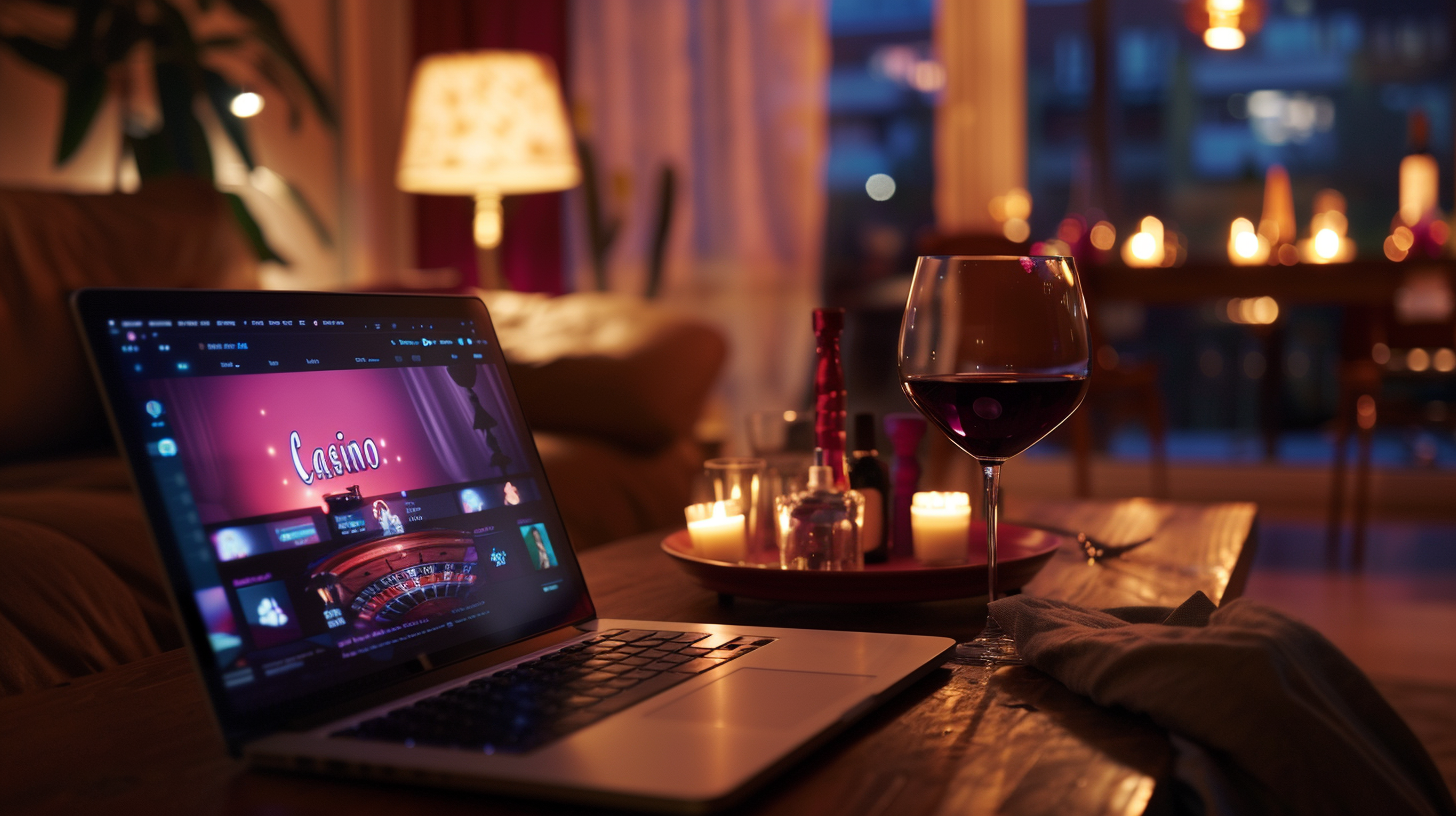
For those looking for premium leisure outside traditional restrictions, exploring the best non-gamstop casinos 2025 offers a similar unhurried register. NVCasino features a game library that sits comfortably in that same register, with themed slots and spectator mode on most of them for players who prefer to watch one hand before joining the next. This matches the professional observations found in The Guardian Life & Style reports on modern entertainment habits.
- A second coffee or a small digestif, drunk slowly rather than quickly
- A short film, ideally under ninety minutes, chosen in advance
- A single podcast episode with headphones or a low speaker
- A calm online session in demo or low-stakes mode
- A short walk around the block if the weather allows
NVCasino also runs live dealer rooms where a human host deals in real time, which keeps the same conversational texture as the dinner table without demanding anything more energetic.
Why People Keep Coming Back to Evenings Like This
Good evenings repeat themselves when their owners let them. A routine forms around the candles, the record, and the recipe. NVCasino is the kind of digital register that fits into this logic too—a repeatable light fixture of the evening rather than a headline event, set aside the minute it stops feeling easy. That restraint is what keeps the rhythm intact.
Last Notes of the Night
A candle burned down to its last centimetre, a record paused on the B side, a glass still half full on the low table. The screen dimmed, the dealer waved off, the laptop closed. The rhythm carries whether it ends at the dining room or a few feet away on the sofa. That is the whole point.